






























Fairbanks attractions


 #1
Dalton Highway
You can drive the highway yourself, but it is long, mostly gravel and short on services, so many visitors prefer a guided van tour from Fairbanks. A driver handles the road while you watch the scenery, stop at the Yukon River crossing and reach the Arctic Circle wayside. Longer trips continue to Coldfoot and sometimes Deadhorse, and some combine the drive with a flight in one direction. The highway runs about 414 miles and most of it is gravel, so expect slow driving and long days. Fuel, food and lodging are limited to a few stops, with fuel at the Yukon River crossing, Coldfoot and Deadhorse. Heavy trucks use the road all year, so give them plenty of room and stay alert on blind crests. Even a trip to the Arctic Circle and back takes a full day from Fairbanks, so it suits people who enjoy long scenic drives. Bring water, snacks, warm layers and a full tank, because weather and services change quickly.
More #2
Trans-Alaska Pipeline (Alyeska Pipeline Visitor Center)
Many visitors stop here on their own for a quick look and a photo. A guided tour of the Fairbanks area adds the story behind the pipeline, from the challenge of building across permafrost to how oil moves hundreds of miles south. Look for sightseeing tours that combine the pipeline with other Interior Alaska stops, so one outing covers more ground and gives you a local guide to answer questions. This is a short roadside stop north of Fairbanks, so it fits easily alongside other sights in the area. You can walk up to the pipeline, which runs above ground on raised supports. Signs at the viewing area explain how the line was built and how oil travels through it. The nearby visitor center keeps seasonal hours, so the roadside viewing area is the dependable part of the stop. Interior Alaska weather changes fast, so bring a warm layer even in summer.
More #3
BLM Arctic Circle Monument Sign
Driving the Dalton Highway yourself takes time, stamina and a vehicle you trust on gravel. A guided Arctic Circle tour from Fairbanks handles the long drive, shares stories of the haul road and pipeline, and often includes a stop at the sign for photos and a certificate. Some trips fly one way, and winter trips add a chance to see the northern lights. The sign is at the Arctic Circle Wayside on the Dalton Highway, and the drive from Fairbanks takes about five hours each way in good conditions. The highway is mostly gravel, so check road conditions and your rental agreement, since many rental companies bar travel on it. The wayside has pit toilets, picnic areas and a wooden observation deck, but no cell service. Fuel, food and lodging are limited, so fill your tank and bring supplies from Fairbanks. Bring a spare tire, warm layers and bug repellent in summer.
More #4
Chena Hot Springs Resort
You can drive out on your own and spend a day soaking, but organized options add a lot. Aurora viewing tours take an enclosed vehicle up to a dome with open sky, with heated yurts and hot drinks on hand. Seasonal guided rides include electric snowmachine trips in winter and electric ATV rides in summer, and round-trip transport from Fairbanks makes the day easy. The resort is about 56 miles from Fairbanks, so plan for roughly an hour each way on a paved road. The aurora tour lasts about five hours, with a long wait at an open-sky dome, so bring snacks and water. Parkas, snow pants and boots are available if you did not pack your own winter gear. The hot springs and the Aurora Ice Museum on site are open year-round. Aurora sightings are never guaranteed, so a longer stay gives you more chances.
More #5
Chena River State Recreation Area
 #6
Aurora Ice Museum
You join a timed tour from the Activities Center, then wander the sculpted rooms at your own pace after a brief talk from the guide. Many visitors pair the museum with a soak in the nearby hot springs. Guided day trips from Fairbanks include the round trip by road, which saves you the winter driving, and evening trips combine the museum with northern lights viewing in the dark months. The tour lasts about 45 minutes, starting with a short introduction from a guide before you explore the sculptures at your own pace. The museum stays at 25 degrees Fahrenheit all year, so bring warm gloves and a hat, and a parka is provided at the entrance. Wear shoes with good grip, because the surfaces inside are icy. Children must be at least six years old and stay with an adult at all times. Outside food and drinks are not allowed, and the ice bar serves drinks in hand-carved ice glasses.
More #7
Alaska Railroad
 #8
Chugach State Park
You can explore on your own by driving to a trailhead such as Glen Alps for Flattop, paddling or biking at Eklutna Lake, or walking the trails at Eagle River Nature Center. Guided options include hiking tours, wildlife and scenery day trips along Turnagain Arm, and a shuttle from downtown that skips the parking hunt. Winter adds guided dog sledding, snowshoeing and cross-country skiing outings. The park covers about 495,000 acres, so pick one trailhead or area for your visit rather than trying to see it all. Flattop Mountain from Glen Alps is the most-hiked peak in Alaska, and the final stretch is steep and rocky, so wear sturdy shoes. Moose and bears live here, so stay alert on the trail, and some trails close in fall to keep people away from feeding bears. The Anchorage Overlook Trail is a quarter-mile loop and is wheelchair accessible. Weather and snow conditions can change quickly.
More #9
Cook Inlet
You can see Cook Inlet on your own from viewpoints and trails around Anchorage and from pullouts along the Seward Highway. A guided Turnagain Arm sightseeing tour takes the driving and tide timing off your hands, often stopping for the bore tide and adding wildlife viewing and other highway stops. A guide also explains the tides, glacial silt, and the belugas that live in the inlet. Cook Inlet is a large tidal inlet that wraps around Anchorage, so most visits are about viewpoints, trails, and the drive along Turnagain Arm. The tidal range is among the largest in the world, and the water rises and falls quickly. Enjoy the mudflats from the marked trails and keep off the soft silt along the shore. Bore tides appear in the hours after low tide in Anchorage, so check a schedule and arrive about half an hour early. Bring layers and binoculars, since beluga whales are sometimes seen from pullouts such as Beluga Point.
More #10
Denali
You can ride the park buses on your own, hop off for short walks and watch for wildlife from the windows. Narrated tour buses add a driver who points out bears, caribou and Dall sheep and explains the landscape, which helps in such a big park. Many visitors arrive by rail and add a flightseeing trip or a rafting day nearby. A free shuttle near the entrance gives views of the mountain. Plan at least a full day, and ideally two or more, because the weather is unpredictable and the park is large. Private vehicles can drive only a short part of the park road in summer, so sightseeing is mostly by bus. Choose between a narrated tour bus and a non-narrated transit bus, depending on how far into the park you want to go. Only a minority of visitors see the mountain itself, because it often makes its own clouds. Book lodging early, and stop at the visitor center for exhibits and a film, especially on bad-weather days.
More #11
Denali National Park
Most people see the park by bus along its single road. Narrated tour buses give wildlife commentary and history, while transit buses let you hop off to hike. Guided options also include small-group wildlife tours, flightseeing over the Alaska Range and rafting nearby. Combining a bus ride with a guided hike gives a fuller picture of the landscape. The park suits active travelers and wildlife watchers, and most visitors need a full day or more. Private vehicles can only drive a short stretch of the park road in summer, so most visitors ride a bus. Bring layers, bug spray, water and snacks, since services along the road are very limited. Wildlife viewing is never guaranteed, and you must keep a safe distance from all animals. Stop at the visitor center first to plan your day and watch the park film.
More #12
Denali National Park and Preserve
Most visitors see the deep park from a bus. Narrated tour buses carry a driver-naturalist who spots wildlife and explains the landscape, and they make a good choice if you want a relaxed, guided day. Transit buses are not narrated but let you step off and hike. Closer to the entrance, a free shuttle runs to Savage River, and the visitor center offers a park film. Plan a full day or more, because the park has one road and most of it is wilderness without maintained trails. Weather changes quickly, so bring layers, rain gear and insect repellent. Private vehicles can drive only the first 15 miles of the park road in summer, and beyond that you travel by bus. Keep a safe distance from bears, moose and other wildlife, and follow ranger guidance on food storage. Wheelchair-accessible buses are available, and the Denali Visitor Center is a good first stop even for a short visit.
More #14
Kenai Fjords National Park
You can drive to Exit Glacier and walk the trails on your own, but most of the park's fjord scenery is out on the water. Boat tours from Seward run through the fjords and offer close views of glaciers, sea birds, sea lions and whales. Full-day cruises go farther than half-day trips. Other options include kayaking, flightseeing and guided glacier hikes, which add safety and local knowledge. Exit Glacier is the only part of the park you can reach by road, and the coastal fjords are reached by boat or air. Weather and wildlife conditions change fast, so bring layers, rain gear and sturdy shoes. Parking at Exit Glacier is limited, especially in the middle of the day in summer. The park runs no shuttles, but taxi and shuttle services operate from Seward. Bicycles are allowed on the park road but not on park trails.
More #15
 #16
Morris Thompson Cultural and Visitors Center
Many visitors explore on their own, browsing the exhibit hall, watching a film and asking staff to help plan the rest of the trip. Local walking and driving tours are also available, and a guided tour of Fairbanks adds context on Interior Alaska's history, Alaska Native cultures and wildlife. The bike and walking path along the Chena River starts beside the parking lot, so it pairs easily with a riverside stroll. Allow at least an hour for the exhibit hall, the films and the outdoor sculptures and walkways. The exhibit hall covers Interior Alaska's people, wildlife, landscapes and seasons, with a replica fish camp and hunting camp. Exhibits close 15 minutes before the building does, so arrive with time to spare. Inside you will find a gift shop with Alaska Native handcrafts and a trip-planning area staffed by visitor specialists. Outside, look for the antler arch, mosaics along the walkways and an old log cabin.
More #17
Pioneer Park
 #18
Turnagain Arm
You can drive the Seward Highway yourself and stop at the pullouts, but timing the tide and finding the right spot takes planning. Guided scenic-drive tours from Anchorage handle the tide schedule and the driving, point out wildlife, and share the history of the arm. Many continue to Girdwood and the Portage area, so you can combine the bore tide with mountain and glacier scenery in one outing. Stay off the mudflats, because glacial silt can trap people and the incoming tide moves quickly. Viewpoints are roadside pullouts on a busy highway, so park fully off the road and watch for traffic when crossing. Plan to arrive about 30 minutes before the predicted bore, since wind can shift its timing by half an hour or more. The bore is small on many days and grows on larger tides, so treat it as a bonus rather than a promise. Harbor seals and beluga whales are often seen as the tide comes in, so bring binoculars.
More #19
University of Alaska Museum of the North
You can wander the galleries on your own at your own pace, which suits families and anyone who likes to linger. The museum also offers behind-the-scenes lab and collection experiences at times. A guided city or campus tour adds local context and often pairs the museum with other Fairbanks stops, which makes a rainy or very cold day easy to fill. Allow one to two hours to see the main galleries, longer if you enjoy natural history and Alaska Native art. Highlights include Blue Babe, a mummified steppe bison, and the bus from the Into the Wild story, which is displayed outdoors. Visitor parking is next to the museum and is paid at a kiosk in the lot. The museum lends wheelchairs at the admission desk on a first-come basis, so call ahead if you need other help. Dress for the weather if you plan to see the outdoor display.
MoreDiscover Fairbanks

Outdoor Activities
Prices from $22
Luxury & Special Occasions
Prices from $40
Tours & Sightseeing
Prices from $15
Day Trips & Excursions
Prices from $40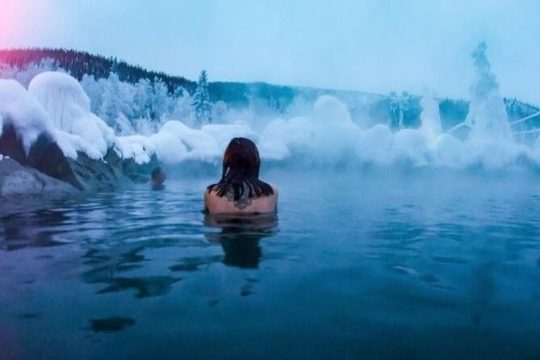
Walking & Biking Tours
Prices from $58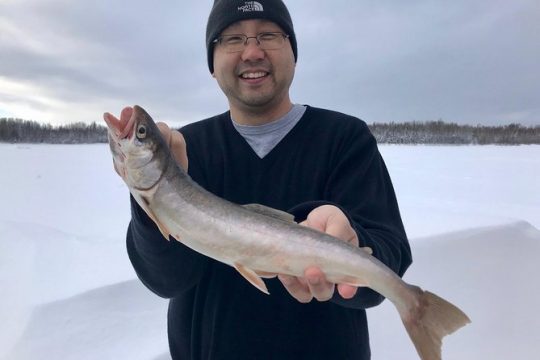
Fishing
Prices from $140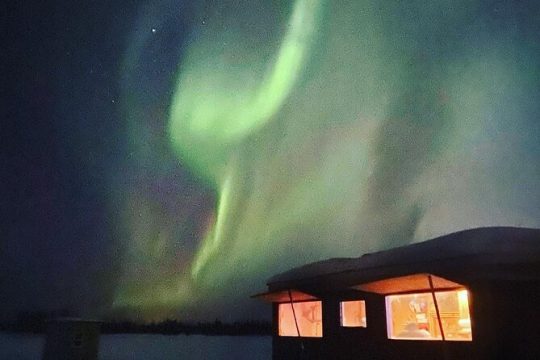
Food, Wine & Nightlife
Prices from $57
Cultural & Theme Tours
Prices from $50
Holiday & Seasonal Tours
Prices from $58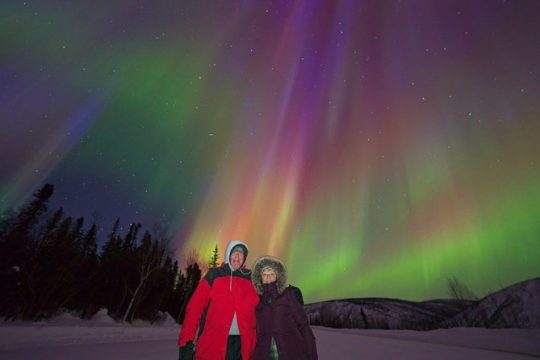
Kid Friendly
Prices from $179
Spa Tours
Prices from $198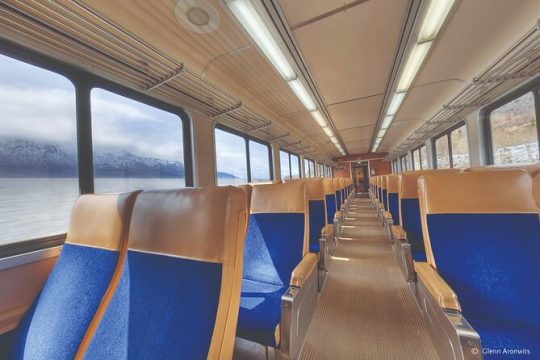
Transfers & Ground Transport
Prices from $102Dalton Highway
Prices from $249Trans-Alaska Pipeline (Alyeska Pipeline Visitor Center)
Prices from $135BLM Arctic Circle Monument Sign
Prices from $249Chena Hot Springs Resort
Prices from $179Chena River State Recreation Area
Prices from $160Aurora Ice Museum
Prices from $190Alaska Railroad
Prices from $265Chugach State Park
Prices from $40Cook Inlet
Prices from $40Denali
Prices from $3,750Denali National Park
Prices from $349Denali National Park and Preserve
Prices from $175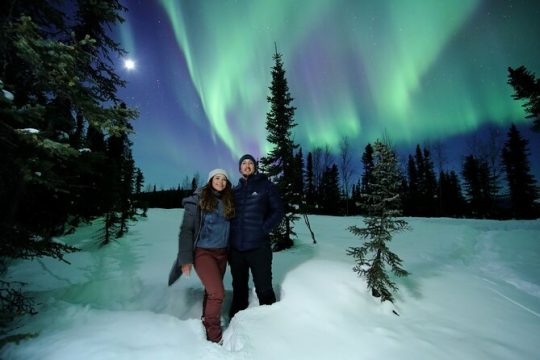
Senior-friendly tours Fairbanks
9 tours & activities
Fairbanks Foodie Tours
10 tours & activities
Family-friendly Fairbanks Tours
77 tours & activities
The best tours and activities for culture lovers in Fairbanks
19 tours & activities
Top 10 Fairbanks 2026
10 tours & activities
Top Day Trips from Fairbanks
39 tours & activities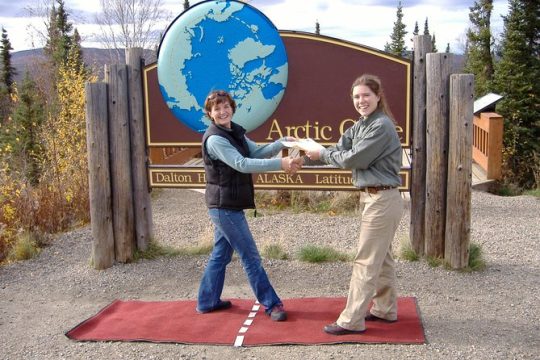
Things to do in Fairbanks this summer
98 tours & activities
Fairbanks Event Calendar
View all events
Veteran's Day in Fairbanks
Thu, Nov 11, 2027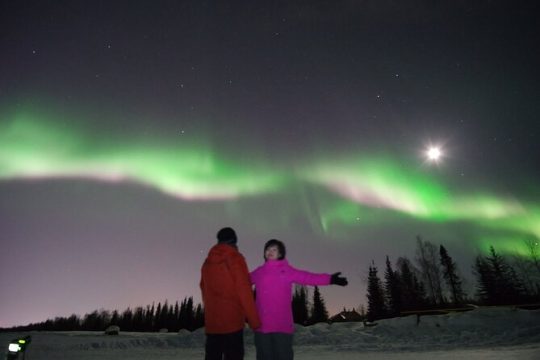
Thanksgiving in Fairbanks
Thu, Nov 25, 2027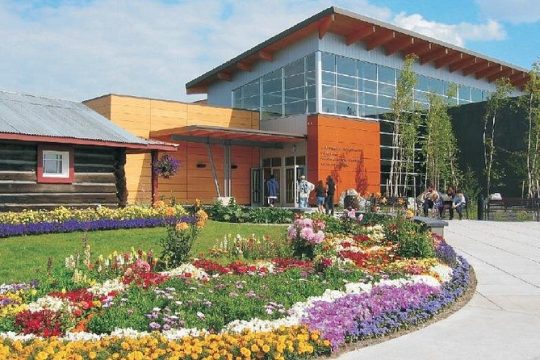
Christmas activities in Fairbanks
Fri, Dec 25, 2026
Hanukkah in Fairbanks
Dec 4–12, 2026
New Year’s Eve in Fairbanks
Thu, Dec 31, 2026
Christmas Eve in Fairbanks
Thu, Dec 24, 2026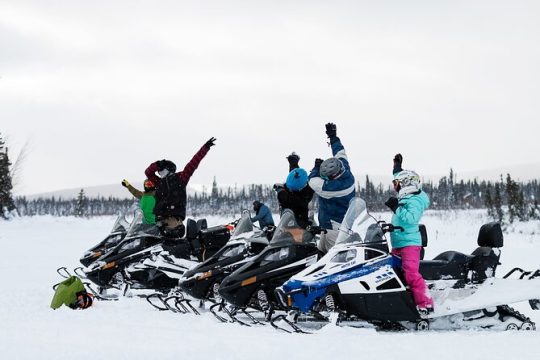
New Year’s Day long weekend in Fairbanks
Jan 1–3, 2027
MLK Day in Fairbanks
Jan 16–18, 2027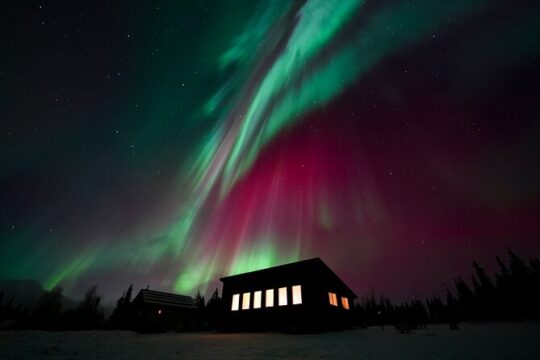
Valentine's Day in Fairbanks
Sun, Feb 14, 2027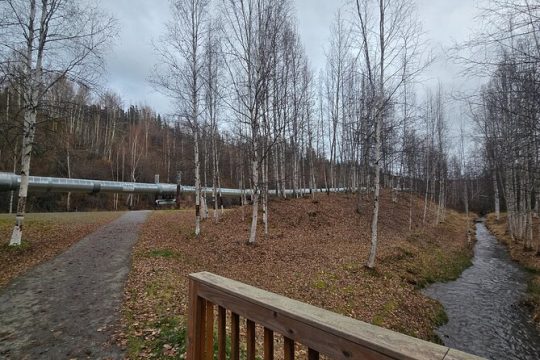
President's Day in Fairbanks
Feb 13–15, 2027